
About Caithness Sutherland And Ross
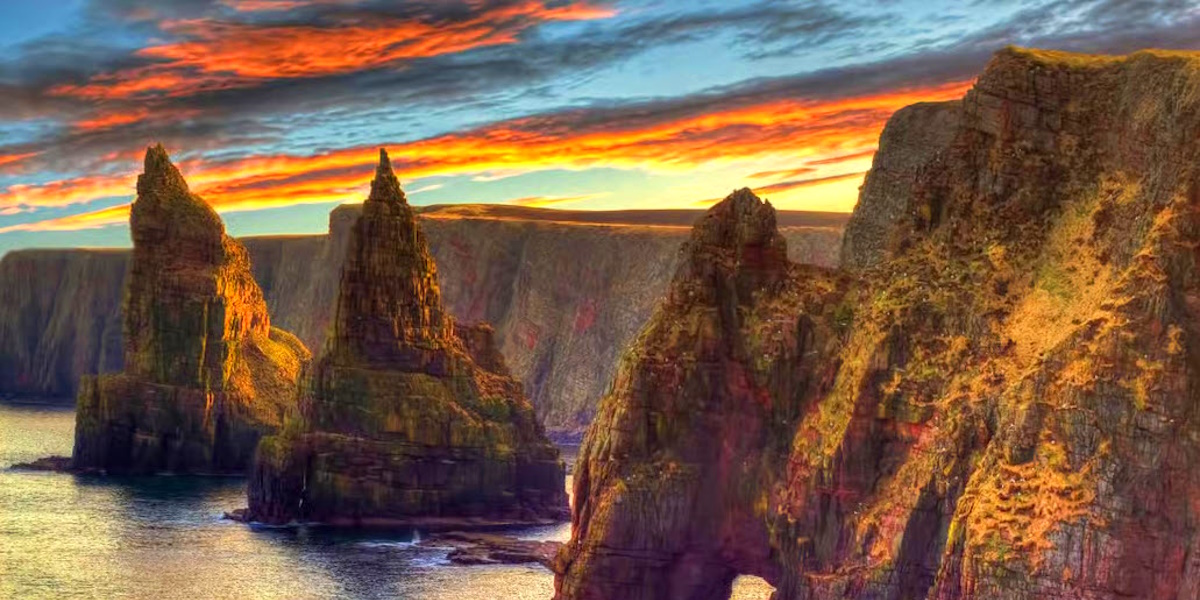
Caithness, Sutherland and Ross is one of the largest and most geographically remote constituencies in the United Kingdom, covering the northern portion of the Highland council area across three historic counties. The constituency stretches from the Pentland Firth in the far north to Easter Ross in the south, encompassing a vast, sparsely populated landscape of moorland, mountain, coast, and sea loch. It was formed for the 2011 Scottish Parliament election, replacing Caithness, Sutherland and Easter Ross and part of Ross, Skye and Inverness West.
With a population density of fewer than five persons per square kilometre and an electorate of around 74,000 spread across thousands of square miles, this constituency presents unique challenges in delivering public services. The Far North Line, single-track roads, and ferry crossings of the Pentland Firth define daily life for many residents. Nuclear energy, offshore wind, whisky, farming, and tourism sit alongside fishing as the foundations of a diverse economy.
Key Facts
56,532
Electorate
Highland
Council Areas
Highlands and Islands
Region
Maree Todd (SNP)
Current MSPs
~62%
2021 Scottish Parliament Turnout
18% (Scotland-wide list vote, Survation, Mar 2026)
Reform Polling At
Our Communities
The principal town of Caithness and one of the main service centres for the Far North, Wick has a proud heritage as a major herring fishing port and is home to the impressive Caithness Horizons museum, the Wick Heritage Centre, and the remarkable Old Pulteney distillery.
Explore WickThe most northerly town on the British mainland, Thurso is a lively and well-served community with a strong surfing culture, a vibrant town centre, and close proximity to Dounreay — the site of one of Britain's most significant nuclear energy programmes.
Explore ThursoThe county town of Ross-shire, Dingwall is the main administrative and commercial centre for the Easter Ross area, with excellent transport connections to Inverness and a proud local history as the birthplace of Macbeth.
Explore DingwallScotland's oldest royal burgh, Tain is a charming historic market town in Easter Ross with a rich cultural heritage, the celebrated Glenmorangie distillery on its doorstep, and beautiful access to the Dornoch Firth estuary.
Explore TainA beautifully situated fishing port and tourist gateway on the shores of Loch Broom, Ullapool is one of Scotland's most scenic communities and serves as the CalMac ferry terminal for the Outer Hebrides, making it a vital hub for island connectivity.
Explore UllapoolA pleasant coastal town in the heart of Sutherland with a magnificent beach, the landmark Dunrobin Castle nearby — seat of the Earls and Dukes of Sutherland — and excellent access to Highland walking and wildlife.
Explore GolspieA charming village on the north-east Sutherland coast, Helmsdale has a fascinating history as a herring fishing port and as a centre of the 16th-century Sutherland clearances, with the Timespan Heritage Centre telling the area's complex and compelling story.
Explore HelmsdaleA town in Easter Ross near the Cromarty Firth with a strong industrial heritage and vibrant community. Located approximately 20 miles north of Inverness, Alness serves as an important residential and service centre for the surrounding area.
Explore AlnessA town and port in Easter Ross with a deep-water harbour that has served as a naval base and now welcomes cruise liners, bringing approximately 200,000 visitors annually. The town features the Whyte & Mackay distillery and has become a major cruise tourism hub for the Highlands.
Explore InvergordonA town and former royal burgh on the Black Isle, about six miles northeast of Inverness. Fortrose is known for its ruined 13th-century cathedral and as home to the Brahan Seer, with Chanonry Point nearby offering exceptional dolphin-watching opportunities.
Explore FortroseA historic royal burgh at the tip of the Black Isle on the southern shore of the Cromarty Firth. Once a thriving commercial centre in the 18th century, Cromarty retains its architectural charm and maritime character, with a population of around 672.
Explore CromartyA village in Sutherland at the south-eastern end of Loch Shin, historically known as "The Crossroads of the North" due to four roads converging there. Unusual for the northern Highlands as a large non-coastal settlement, Lairg hosts Europe's largest single-day sheep sale each August.
Explore LairgA village on the north bank of the Kyle of Sutherland in the Parish of Creich, with a population of around 724. The village sits at the meeting point of four rivers and their estuary, serving as an important crossing point and gateway to northern Sutherland.
Explore Bonar BridgeA village on the east coast of Sutherland, historically an industrial centre with the most northerly coal pit in the UK, boat building, and a thriving wool industry. Brora was the first place in northern Scotland to have electricity, earning the nickname "Electric City", and is served by the Far North Line railway.
Explore BroraLocal Strengths
- Extraordinary natural scenery providing world-class opportunities for wildlife tourism, walking, and adventure sports
- Important nuclear energy industry at Dounreay providing skilled employment and economic anchor
- World-class whisky distilleries including Glenmorangie, Balblair, Clynelish, and Old Pulteney
- Renewable energy potential with significant wind, wave, and tidal energy resources
- Rich cultural heritage from Pictish stones to crofting traditions attracting global visitors
- Strong fishing and aquaculture sector contributing to local and national food production
- Ullapool serves as a vital ferry gateway to the Outer Hebrides supporting wider connectivity
- Exceptional quality of life and sense of community in smaller settlements across the constituency
Local Challenges
- NHS provision described as 'not even faintly adequate' by the local MP — critical shortage of GPs and specialists
- Depopulation trend with projections of 15-18% population decline in parts of the constituency by 2040
- Far North railway line (Inverness to Thurso/Wick) with limited frequency and vulnerability to disruption
- Vast road network of predominantly single-track roads requiring significant maintenance investment
- Challenging ferry crossings including the Pentland Firth route critical for Orkney connections
- Rural GP and hospital access requiring patients to travel significant distances for routine care
- Broadband and mobile coverage gaps particularly in remote settlements and along the west coast
- Seasonal economy concentrated in tourism creating employment insecurity outside peak months